Renting a Storage Unit for the First Time: What To Expect
A lot of first-time renters assume storage is complicated - long contracts, confusing paperwork, and a facility that's hard to get in and out of. The reality is that renting a storage unit for the first time is a pretty straightforward process once you know what to expect going in. The bigger challenge is usually the decision that comes before you ever sign anything: figuring out the right size, understanding what's actually included, and knowing what to bring on move-in day. On Track Storage will walk you through each of those steps so you're not guessing.
Start With the Right Unit Size
Picking the wrong size is the most common first-timer mistake. Renting too small means you'll be stacking things awkwardly and running out of floor space fast. Renting too large means you're paying for square footage you don't need.
A rough starting point: a 5x10 unit holds the contents of a small bedroom or a few pieces of furniture. A 10x10 is roughly the equivalent of a standard bedroom's worth of belongings, including a bed frame, dresser, and several boxes. If you're storing the contents of a full apartment or a two-car garage, you'll want to look at larger options. Our
On Track Storage size guide breaks this down in more detail and is worth checking before you commit to a unit. You can also look at our
room-by-room breakdown for a 10x10 unit if that's the size you're considering.
Understand What You're Actually Renting
Self storage units rent month to month in most cases, which is one of the features that makes them useful for people in transition. There's no year-long commitment, and you can typically vacate with reasonable notice. That said, read the rental agreement before you sign it. Policies on notice periods, late fees, and access hours vary by facility, and you'll want to know those details upfront rather than after the fact.
Ask specifically about access hours. Some facilities offer extended hours; others have set windows. If you're planning to stop by after work or on weekends, confirm that works with the facility's schedule before you rent.
Tenant protection coverage is another thing worth asking about. On Track Storage offers
tenant protection plans that can fill that gap if your existing coverage doesn't cover stored belongings.
Climate-Controlled vs. Standard Units
This is a question that comes up constantly with first-time renters, and the answer depends on what you're storing. A climate-controlled unit maintains a consistent temperature range year-round, which matters for items that can be damaged by temperature swings, like wood furniture, electronics, artwork, musical instruments, and documents.
Most summers get hot, and winters can drop well below freezing. For items that would sit in a unit through multiple seasons, that kind of temperature variation can cause wood to warp or finishes to crack. Standard units are fine for metal tools, outdoor equipment, and other items that aren't sensitive to temperature changes. If you're unsure which category your belongings fall into, our article on
whether you actually need climate-controlled storage lays out the decision clearly.
What To Bring on Move-In Day
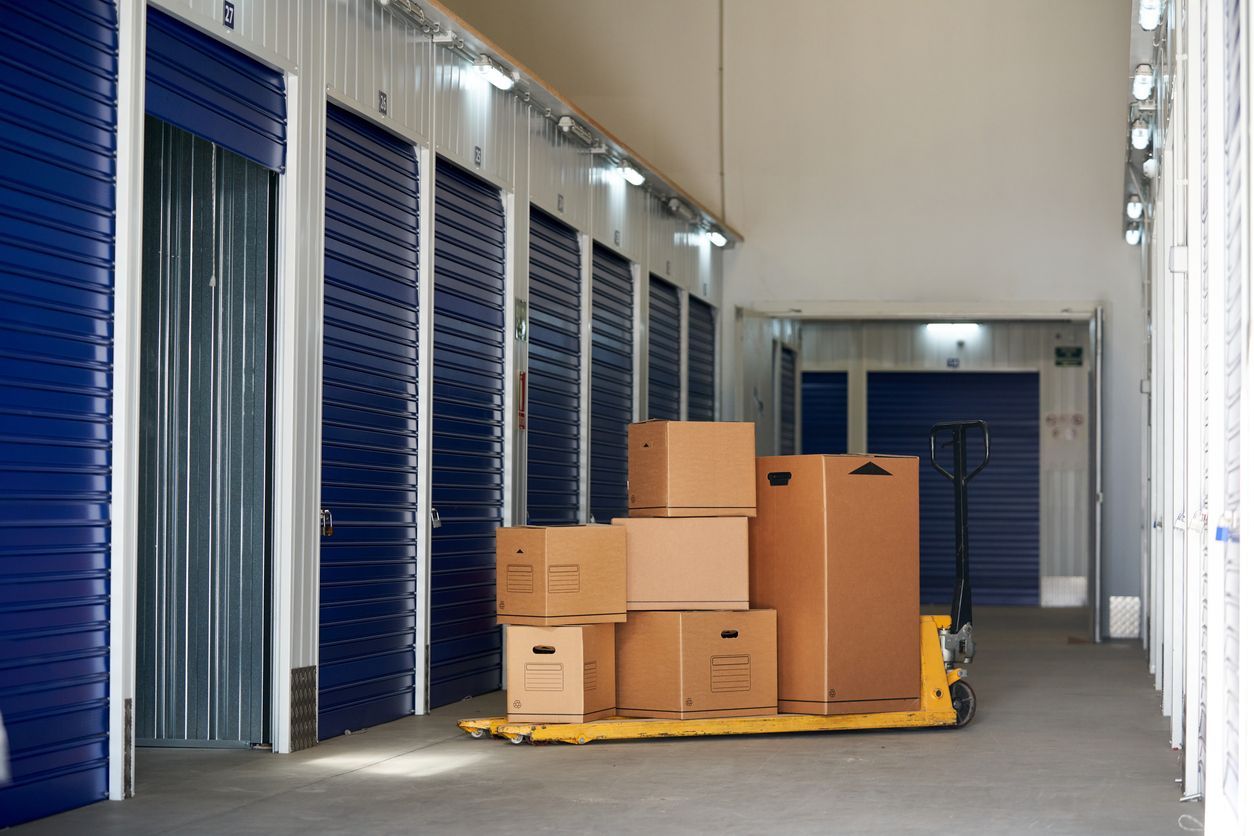
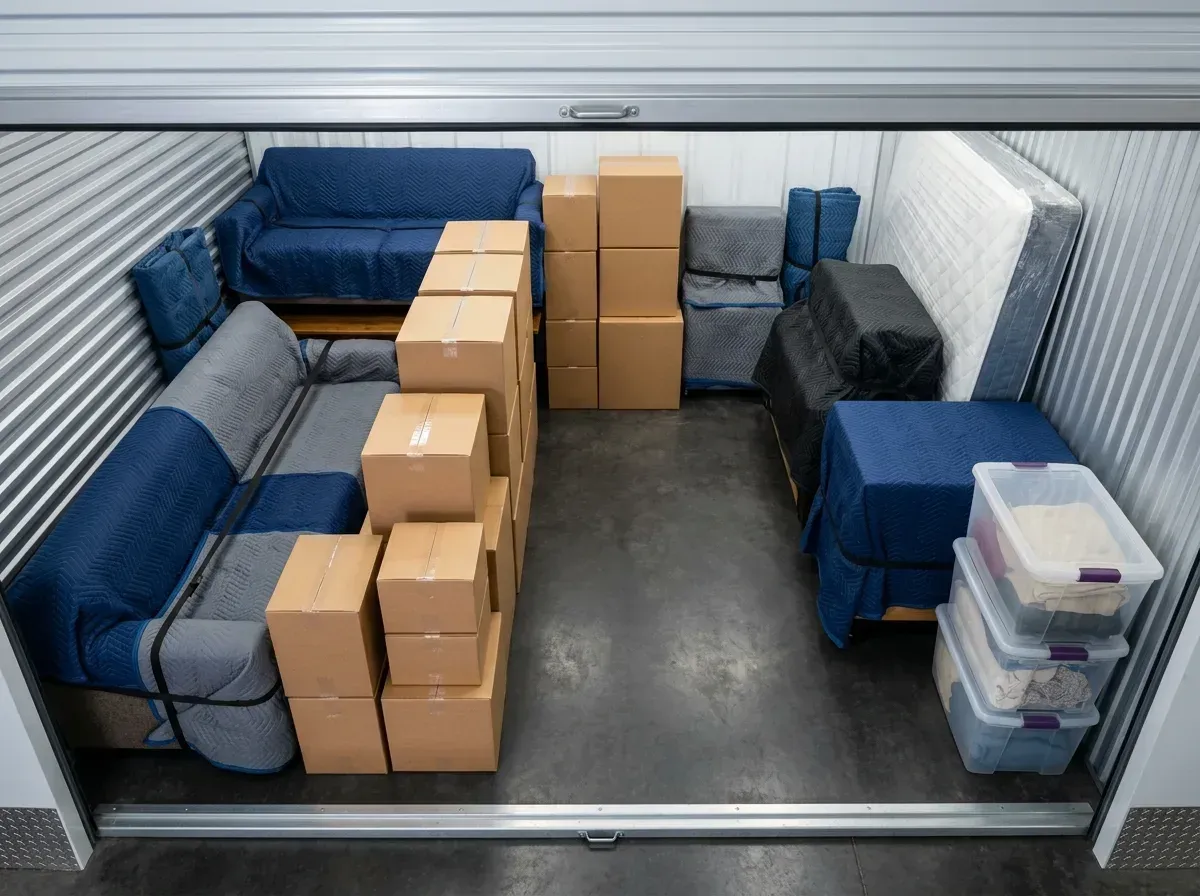
Most facilities require a government-issued ID and payment for the first month at the time of rental. Beyond that, bring moving supplies: boxes that are fully packed and sealed (partially filled boxes collapse when stacked), furniture blankets or padding for anything with a finished surface, and stretch wrap if you're storing items with drawers or doors that could swing open. Dollies and hand trucks make the process significantly faster, especially for a unit on an upper floor or at the back of a long row.
How To Load a Unit So You Can Actually Use It
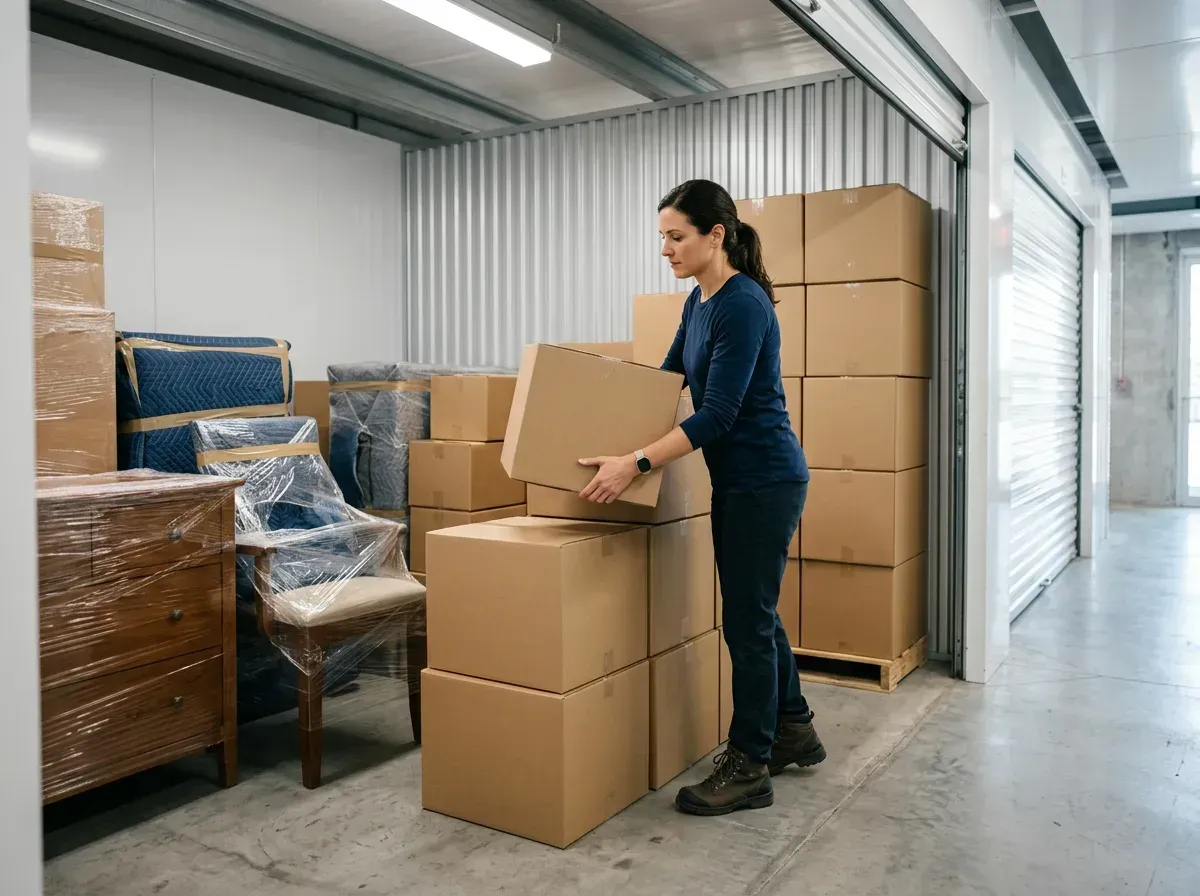
Loading a storage unit efficiently makes a real difference, especially if you plan to access it regularly. Put the items you'll need least often at the back and work toward the door with things you'll want to reach. Leave a center aisle if the unit is deep enough; it saves you from having to unload half the unit every time you need something from the back.
Stack heavier boxes on the bottom and lighter ones on top. Furniture like dressers can often store boxes inside their drawers, which saves floor space. Also, disassemble bed frames and large tables where possible because they take up far less space flat against a wall than they do assembled.
Storage Near SEMO and the Broadway Street Corridor
For renters cycling through leases near Southeast Missouri State University and the off-campus housing belt along Broadway Street, storage often fills the gap between a move-out date and a new lease start. That's a common situation in Cape: you're out of one place before the next one is ready, and you need somewhere for your furniture and boxes to go in the meantime. Month-to-month rentals are well-suited to that kind of timeline because you're not locked into a long commitment.
A Few Things You Cannot Store
Every storage facility has a list of prohibited items, and they're largely consistent across the industry. You cannot store anything flammable, combustible, or hazardous, and that includes gasoline, propane tanks, paint, and certain chemicals. Living things are not permitted, and neither are items that are illegal to possess. Most facilities also prohibit storing anything that produces odors that could affect neighboring units.
When in doubt, ask the facility directly. Staff can tell you quickly whether a specific item is allowed, and it's better to know before you load the truck.
First-time renting a storage unit doesn't have to involve guesswork. Pick the right size using a size guide, understand your rental terms before signing, and load thoughtfully so the unit stays usable throughout your rental.