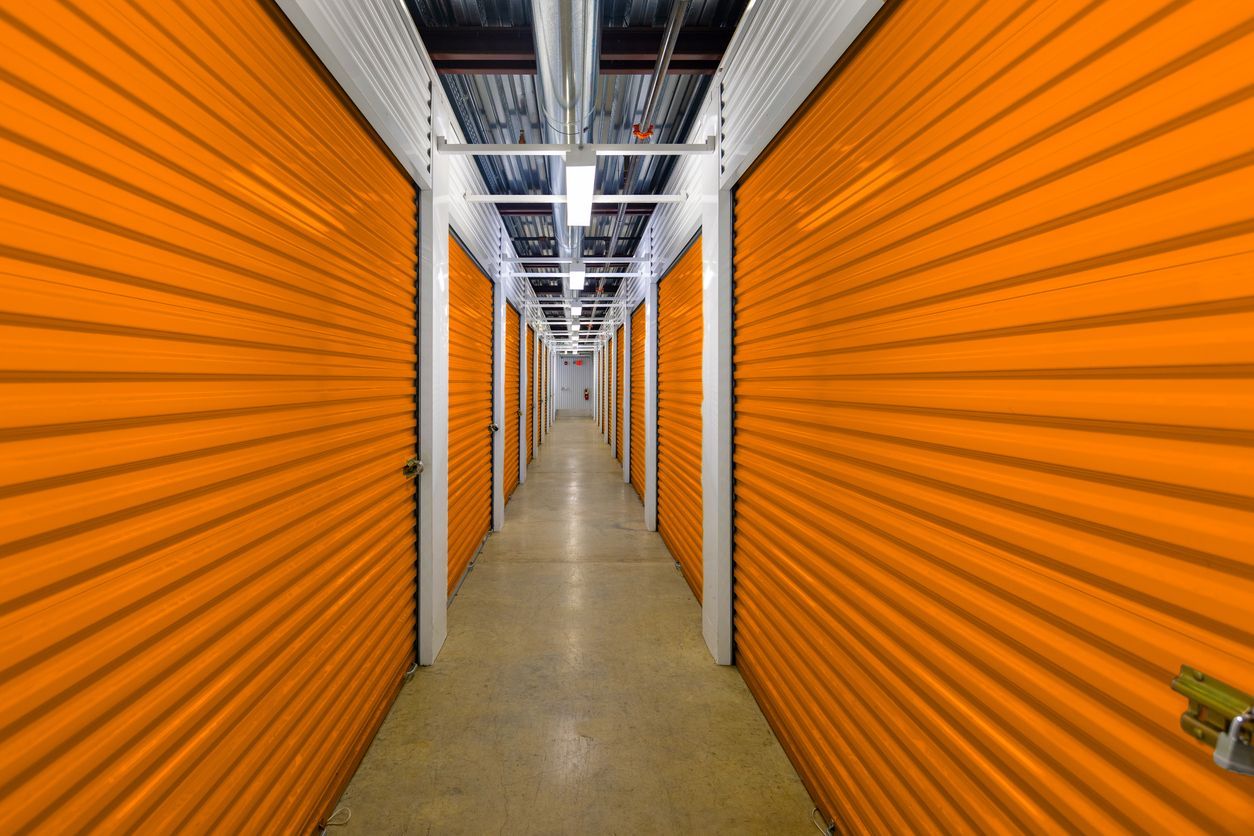
How To Store Furniture Long Term Without Damage
The rental housing cycle runs on a predictable clock. Leases end in May, new ones start in August, and the weeks in between leave a lot of people holding furniture they can't move in yet and can't leave behind. Knowing how to store furniture correctly during that gap, or any longer stretch, is what separates pieces that come out looking the same from pieces that come out warped, cracked, or stained. The prep work matters more than most people expect.
Clean Everything Before It Goes In
Dirt, grease, and food residue left on furniture will set in over time and attract pests. Wipe down hard surfaces with a dry or lightly damp cloth. For upholstered pieces, vacuum thoroughly and spot-treat any stains before storage. Leather should be conditioned before being wrapped. Starting clean gives everything the best chance of coming out in good condition.
Disassemble What You Can
Bed frames, bookshelves, and dining tables almost always break down into smaller pieces. Disassembling them reduces the footprint inside your unit and cuts down on stress points that could cause joints to loosen or legs to snap under weight. Keep hardware in labeled bags taped directly to the furniture piece they belong to, so reassembly is straightforward later.
Wrap and Cover Strategically
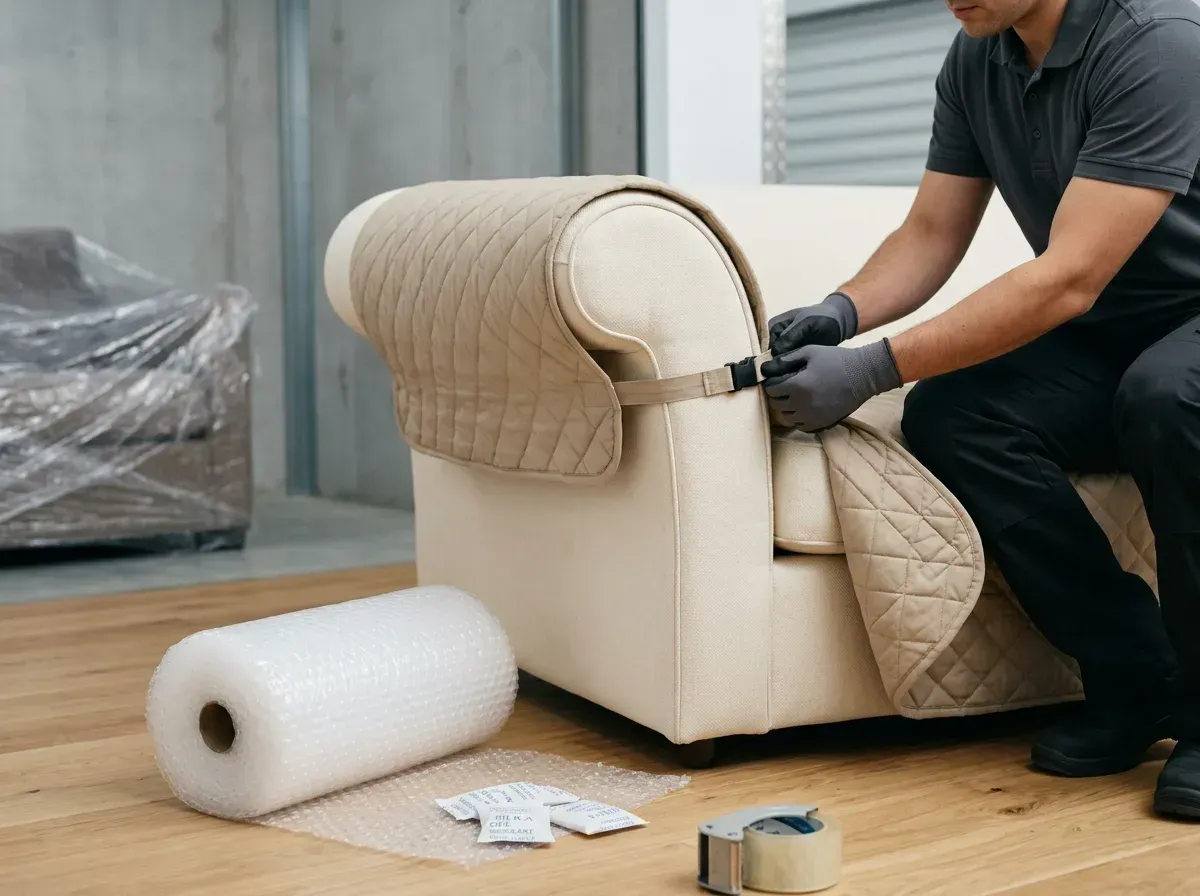
Furniture covers and moving blankets protect against scratches and dust, but the material you use matters. Avoid plastic sheeting directly against wood or upholstery for extended periods. Plastic traps heat and can cause finishes to lift or fabric to develop odors. Moving blankets or breathable furniture covers are a better choice for anything staying in storage longer than a few weeks. For glass tabletops or mirrors, wrap in moving blankets and store vertically rather than flat to reduce the risk of cracking under their own weight.
Think About Temperature When Choosing a Unit
Wood furniture expands and contracts with temperature swings, and finishes can lift or crack when exposed to repeated heat cycles. If you're storing a solid wood dining set, a vintage dresser, or anything with veneer, a climate-controlled unit that maintains a consistent temperature range is worth every square inch. Our guide on climate-controlled storage breaks down when it makes sense and when a standard unit will do the job. For students storing furniture over a summer, the temperature difference between a standard outdoor unit and a climate-controlled interior unit can be significant in the heat.
Stack and Position With Care
Heavy items go on the floor, never stacked on top of upholstered furniture. Sofas and cushioned chairs should be stored upright on their feet rather than on their sides. Mattresses should stand vertically against a wall rather than lying flat, where they can sag or develop pressure points over time. Leave a little space between pieces so air can circulate and nothing is pressing against anything else for months at a stretch.
Pick the Right Unit Size
Cramming furniture into a unit that's too small leads to stacking it in ways that cause damage. Before you rent, take stock of what you're storing. A room-by-room breakdown of what fits in a 10x10 unit can help you figure out whether you need more space than you think. On Track Storage's unit size guide is a useful starting point for matching your inventory to the right footprint.
If you're between leases or just need a place to keep furniture while a room is being used for something else, On Track Storage has options in the area. You can browse all of our
On Track storage locations to find what's closest to you. Good prep before the move-in date means your furniture comes out ready to use, not in need of repair.